San Diego Medical Malpractice Lawyers
Medical malpractice cases involve some of the most serious and difficult claims in California personal injury law. Patients and families trust doctors, hospitals, nurses, surgeons, emergency departments, specialists, and medical facilities to provide safe and appropriate care. When preventable medical mistakes cause serious injury or death, the consequences can be devastating.
The Mason Firm represents patients and families in serious medical malpractice, wrongful death, birth injury, surgical negligence, delayed diagnosis, emergency room negligence, and hospital negligence cases throughout San Diego and California.
Medical malpractice cases are complex. They usually require expert review, detailed medical-record analysis, careful evaluation of causation, and a clear understanding of California’s special rules for professional negligence claims. The Mason Firm investigates these cases carefully and focuses on claims involving serious harm, preventable death, and life-changing injuries.
If you believe that medical negligence caused serious injury or the death of a loved one, contact The Mason Firm for a free case review.
Spotlight: Recent Medical Malpractice Results
$1.8 Million Settlement in Wrongful Death
Confidential wrongful death medical malpractice settlement involving a pain management doctor prescribing an inappropriate mix of prescription drugs that led to the client's death.
$4.5 Million Settlement in Birth Injury Case
The Mason Firm obtained a $4.5 million confidential settlement in a birth injury case involving claims of medical negligence and serious injury to a child. The case involved allegations that health care providers failed to appropriately recognize and respond to signs of fetal distress during labor and delivery, resulting in significant injury to the child.
Adult Death Following Liposuction
Confidential wrongful death medical malpractice settlement involving the death of a 29-year-old woman following liposuction. The case alleged negligent follow-up care after surgery, including failures to monitor, recognize, and respond to post-operative complications. Because the settlement is confidential, the amount and identifying details cannot be disclosed.
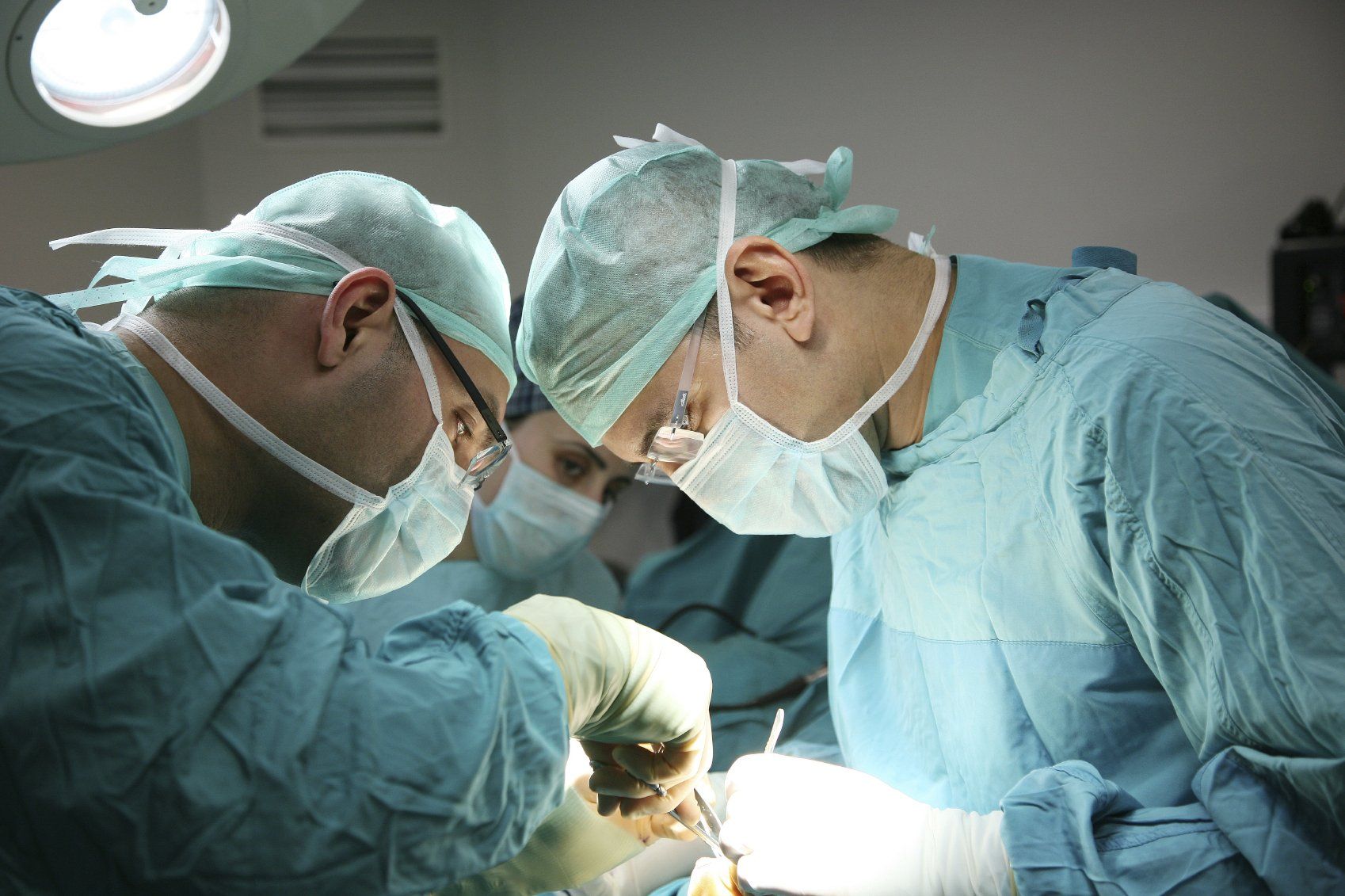
Medical Malpractice Cases We Handle
The Mason Firm handles serious medical malpractice cases involving hospitals, doctors, nurses, surgeons, specialists, emergency departments, urgent care centers, clinics, nursing staff, and other health care providers.
We handle cases involving:
- delayed diagnosis;
- failure to diagnose;
- misdiagnosis;
- surgical negligence;
- anesthesia errors;
- emergency room negligence;
- hospital negligence;
- birth injuries;
- newborn injuries;
- negligent intubation or airway management;
- medication errors;
- failure to monitor;
- failure to respond to abnormal labs or vital signs;
- failure to order necessary testing;
- failure to timely consult a specialist;
- failure to transfer a patient to a higher level of care;
- post-operative negligence;
- infections and sepsis;
- falls in hospitals or medical facilities;
- negligent discharge;
- failure to follow up on test results;
- and wrongful death caused by medical negligence.
Not every bad medical outcome is malpractice. A medical malpractice case requires evidence that a health care provider failed to meet the applicable standard of care and that the failure caused injury or death. This usually requires review by qualified medical experts.
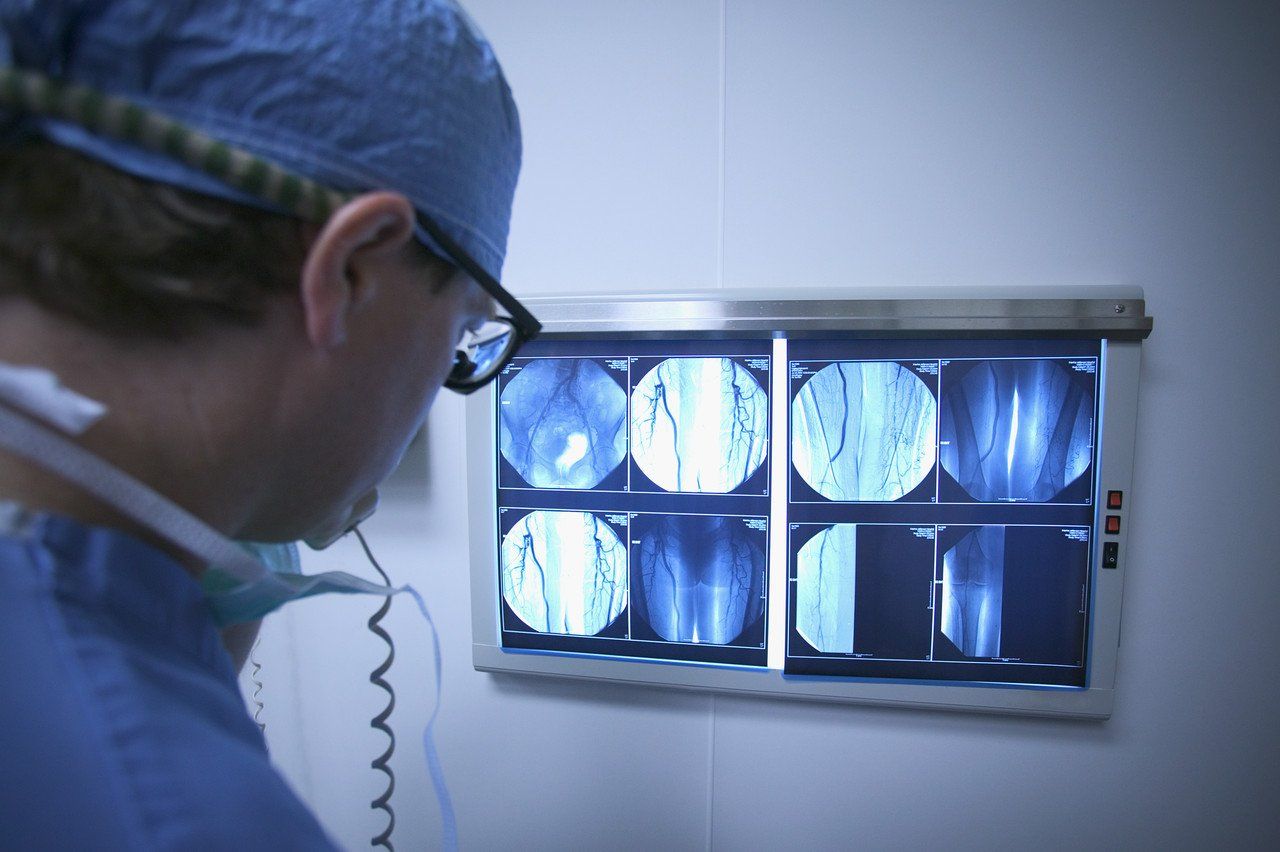
What is Medical Malpractice?
Medical malpractice occurs when a health care provider fails to use the level of skill, knowledge, and care that reasonably careful providers would use in similar circumstances, and that failure causes harm.
A medical malpractice case generally requires proof of:
- the applicable standard of care;
- how the health care provider violated that standard;
- how the violation caused injury or death;
- and the damages caused by the negligence.
The standard of care depends on the circumstances. The standard for an emergency room physician may be different from the standard for a surgeon, radiologist, pediatrician, nurse, anesthesiologist, obstetrician, or hospital system. That is why expert review is usually necessary.
Medical malpractice cases often turn on detailed questions, such as:
- Should a test have been ordered sooner?
- Should a diagnosis have been considered?
- Should the patient have been admitted instead of discharged?
- Did the provider recognize abnormal symptoms, labs, imaging, or vital signs?
- Did the provider respond appropriately to a change in condition?
- Was a specialist needed?
- Was surgery performed safely?
- Was the patient properly monitored after surgery?
- Was the family given appropriate instructions?
- Did the delay change the outcome?
These cases require careful review of the full medical record, not just a single visit or isolated chart note.
Some Recent
Medical Malpractice Statistics
3rd Leading Cause of Death!
250,000 deaths per year
85,000 claims per year

Delayed Diagnosis and Failure to Diagnose
Delayed diagnosis and failure to diagnose cases can be especially serious because timing often matters. A delay in recognizing a dangerous condition may allow the condition to worsen, reduce treatment options, or cause preventable death.
Failure-to-diagnose cases may involve:
- cancer;
- stroke;
- heart attack;
- pulmonary embolism;
- meningitis;
- sepsis;
- infection;
- bowel obstruction;
- internal bleeding;
- appendicitis;
- fractures;
- spinal cord compression;
- newborn complications;
- and other serious medical conditions.
In these cases, the key question is often whether the signs and symptoms should have led to additional testing, specialist consultation, hospital admission, or emergency treatment. The case may also require proof that earlier diagnosis would have changed the outcome.
Emergency Room Negligence
Emergency departments are responsible for evaluating potentially serious and life-threatening conditions. ER cases often involve limited time, incomplete information, and high-risk decision-making, but emergency providers must still respond reasonably to the patient’s symptoms, vital signs, exam findings, history, labs, imaging, and risk factors.
Emergency room malpractice cases may involve:
- failure to order necessary labs or imaging;
- failure to recognize abnormal vital signs;
- failure to rule out dangerous conditions;
- premature discharge;
- failure to admit the patient;
- failure to consult a specialist;
- failure to recognize sepsis, stroke, heart attack, meningitis, pulmonary embolism, or internal bleeding;
- failure to properly monitor a patient;
- and failure to give appropriate discharge instructions.
Many ER malpractice cases involve a patient who was discharged and then rapidly worsened. These cases require careful analysis of what information was available at the time and whether a reasonable emergency provider should have acted differently.
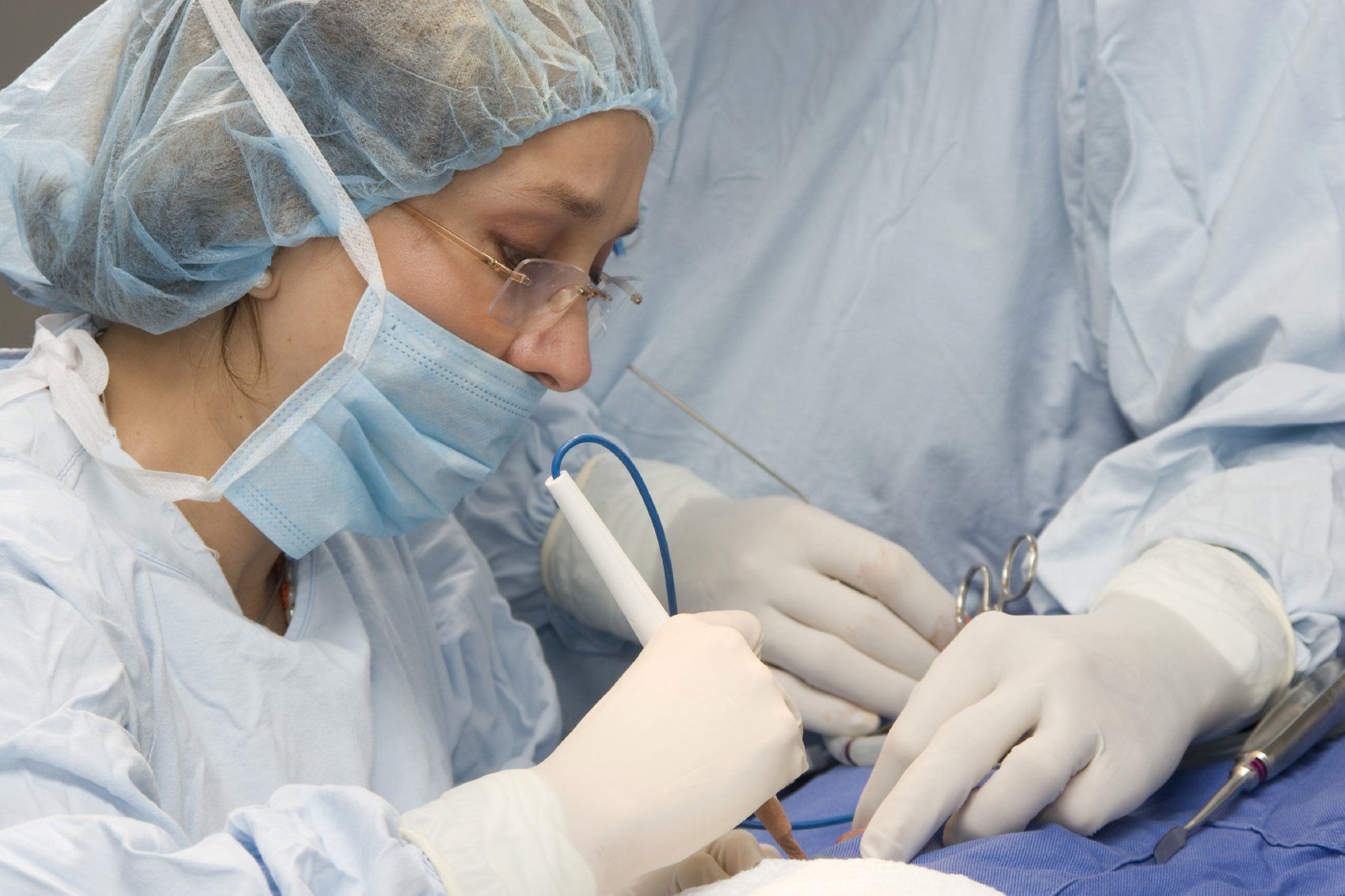
Surgical Negligence and Post-Operative Care
Surgical malpractice may occur before, during, or after surgery. Some cases involve technical surgical errors, while others involve failures in planning, monitoring, communication, follow-up care, or response to complications.
Surgical negligence cases may involve:
- improper surgical technique;
- injury to organs, nerves, blood vessels, or surrounding structures;
- retained foreign objects;
- wrong-site or wrong-procedure surgery;
- anesthesia complications;
- failure to recognize post-operative bleeding;
- failure to recognize infection or sepsis;
- failure to respond to pulmonary embolism or deep vein thrombosis;
- inadequate post-operative monitoring;
- negligent discharge after surgery;
- failure to provide proper follow-up care;
- and failure to return a patient to surgery when needed.
A surgical complication is not automatically malpractice. The question is whether the complication was caused by negligence, whether the provider responded appropriately, and whether better care would have prevented the injury or death.
Birth Injury and Newborn Injury Cases
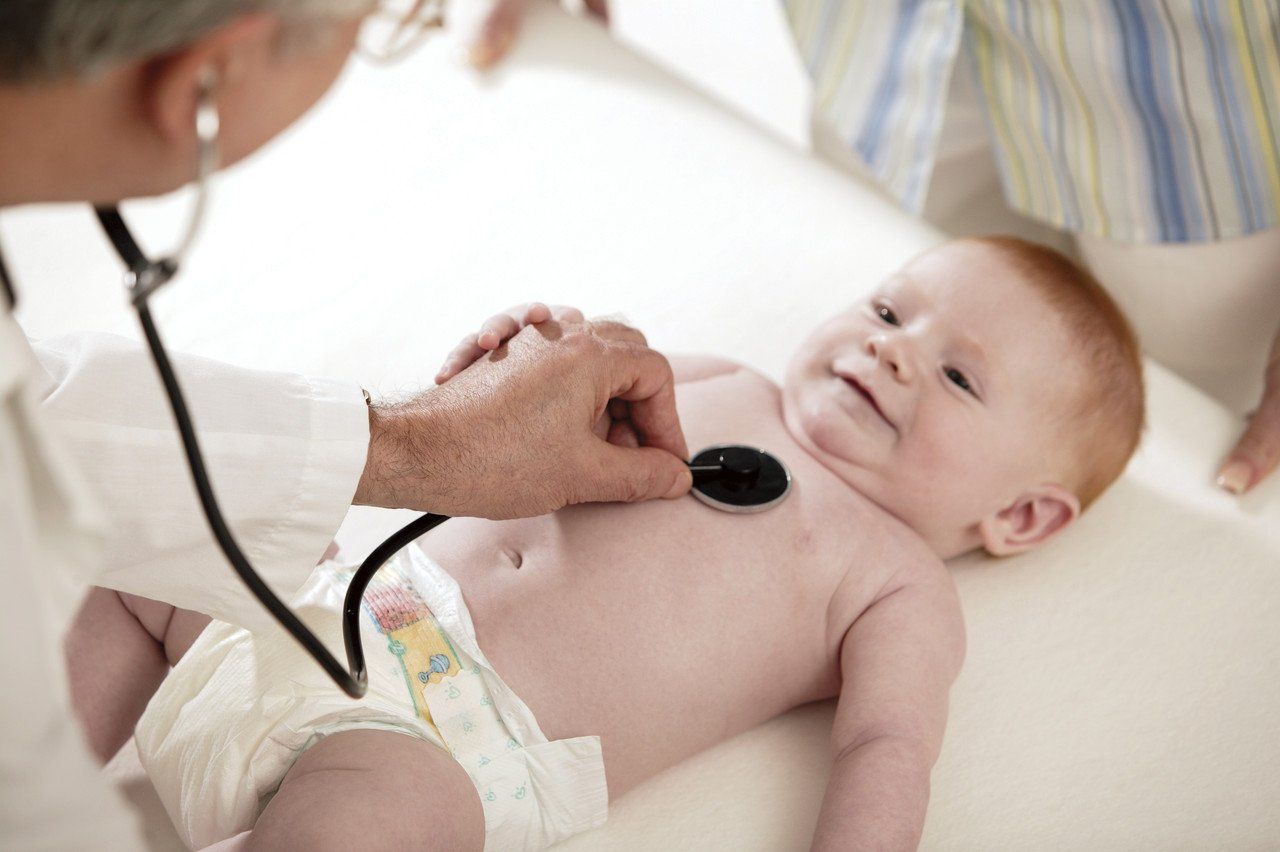
Birth injury and newborn injury cases can involve catastrophic harm to a baby, mother, or both. These cases often require review by obstetric, nursing, neonatology, pediatric neurology, neuroradiology, and life-care planning experts.
Birth injury cases may involve:
- failure to recognize fetal distress;
- delayed C-section;
- failure to respond to abnormal fetal heart tracing;
- uterine tachysystole;
- shoulder dystocia;
- hypoxic-ischemic encephalopathy;
- neonatal brain injury;
- negligent resuscitation;
- negligent intubation;
- failure to transfer to a higher level of care;
- failure to monitor mother or baby;
- and preventable newborn death.
These cases are medically and legally complex. They require careful review of prenatal records, labor and delivery records, fetal monitoring strips, delivery notes, neonatal records, imaging, and expert opinions on causation.

Medication Errors
Medication errors can cause serious injury or death. These cases may involve physicians, nurses, pharmacists, hospitals, clinics, long-term care facilities, or other medical providers.
Medication error cases may involve:
- wrong medication;
- wrong dose;
- wrong patient;
- dangerous drug interactions;
- failure to monitor medication effects;
- failure to adjust medication based on labs or kidney function;
- failure to recognize overdose or toxicity;
- failure to provide necessary medication;
- and failure to warn about serious risks.
In some cases, the error is obvious. In others, the issue may involve subtle but serious failures in medication reconciliation, monitoring, communication, or follow-up.
Hospital Negligence and Nursing Negligence
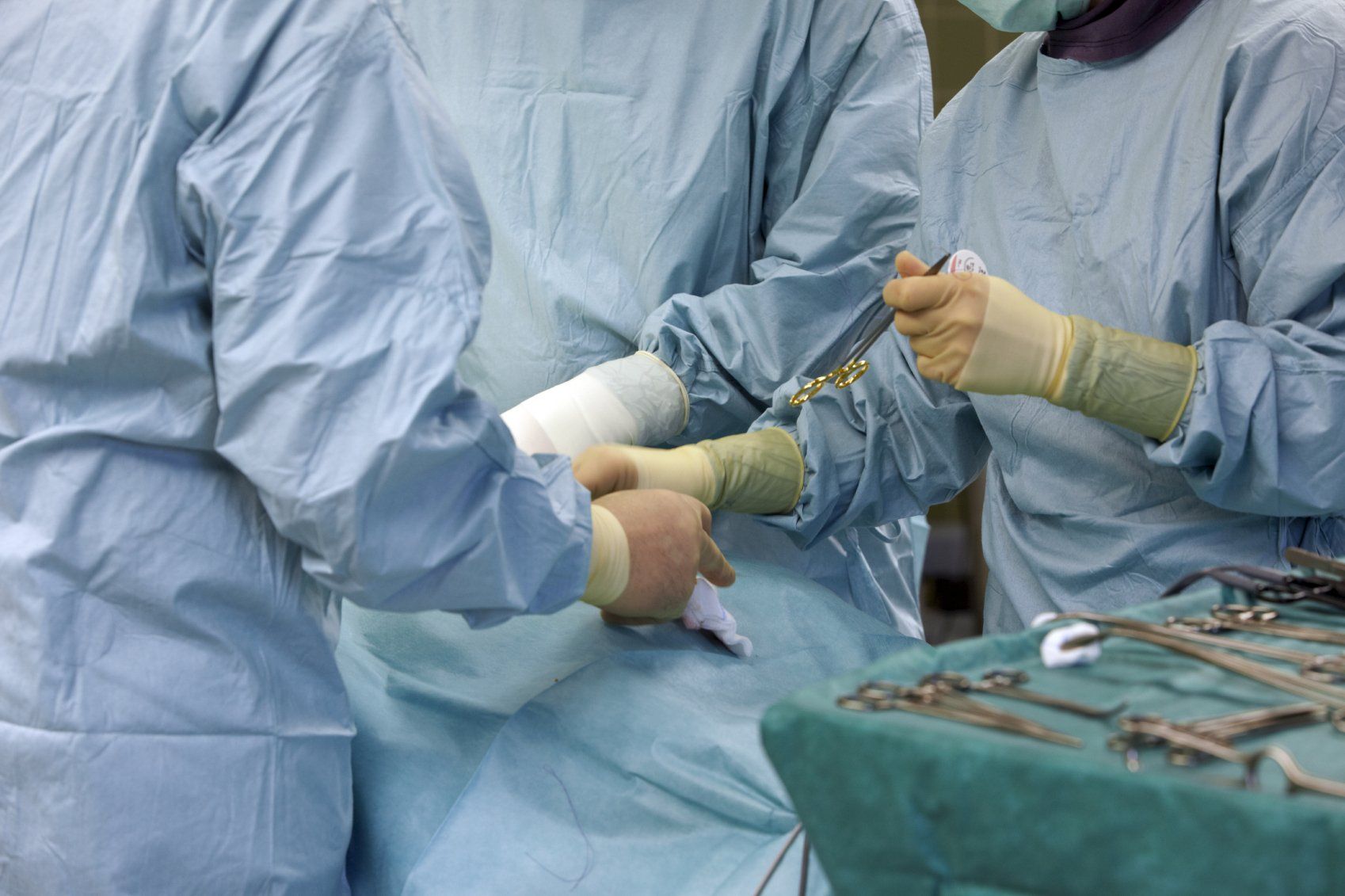
Hospitals and nursing staff play a critical role in patient safety. Medical malpractice cases may involve failures by nurses, hospital employees, administrators, or systems of care.
Hospital and nursing negligence cases may involve:
- failure to monitor;
- failure to report changes in condition;
- failure to notify a physician;
- failure to carry out orders;
- medication errors;
- falls;
- pressure injuries;
- infection control failures;
- inadequate staffing;
- poor communication between shifts;
- failure to follow hospital policies;
- delayed escalation of care;
- and unsafe discharge planning.
Hospitals may also be responsible for the conduct of employees, unsafe systems, negligent policies, inadequate staffing, or failures to supervise and train staff.

Medical Malpractice Wrongful Death Cases
Some of the most serious medical malpractice cases involve preventable death. Families may have a wrongful death claim when medical negligence causes the death of a patient.
Medical malpractice wrongful death cases may involve:
- missed diagnosis;
- delayed diagnosis;
- surgical complications;
- medication errors;
- birth or newborn injuries;
- anesthesia errors;
- failure to treat infection or sepsis;
- failure to recognize pulmonary embolism or stroke;
- negligent discharge;
- failure to transfer to a hospital;
- and failure to respond to deterioration.
A
wrongful death medical malpractice case must prove both negligence and causation. It is not enough to show that a provider made a mistake. The case must also show that the mistake was a substantial factor in causing the death.

California Medical Malpractice Deadlines & MICRA Limits
California has special rules for medical malpractice cases. In many professional negligence cases against health care providers, California law requires at least 90 days’ notice before filing a lawsuit.
This notice requirement is important because medical malpractice deadlines can be short and technical. The timing of the notice, the statute of limitations, and the identities of the proper defendants should be evaluated carefully before a case is filed.
Families should not wait until the last minute to investigate a medical malpractice claim. Medical records must be obtained, reviewed, organized, and evaluated by appropriate experts before a lawsuit is filed.
California medical malpractice cases are also subject to special statute of limitations rules. In general, a medical malpractice lawsuit must be filed within one year after the patient discovers, or through reasonable diligence should have discovered, the injury, or within three years of the date of injury, whichever occurs first, subject to limited exceptions.
Special rules may apply in cases involving minors, foreign objects, fraud, intentional concealment, government defendants, delayed discovery, wrongful death, or other circumstances. Because these rules are technical, anyone considering a medical malpractice case should seek legal review quickly.
California medical malpractice cases are also affected by MICRA, California’s medical malpractice damages law. MICRA places limits on noneconomic damages in medical malpractice cases, while economic damages such as medical expenses, future care, lost earnings, and loss of earning capacity are generally evaluated separately.
The noneconomic damages rules have changed in recent years and may depend on the date of injury, whether the case involves wrongful death, and the number and type of defendants. Because these issues are technical, damages must be evaluated carefully in each case.
Recoverable damages may include:
Medical Expenses
This may include emergency care, hospitalization, surgery, imaging, medication, therapy, rehabilitation, and other medical treatment caused by the negligence.
Future Medical Care
Serious injuries may require future surgery, specialist care, rehabilitation, assistive devices, home care, or long-term medical support.
Lost Income
A patient may recover income lost because of hospitalization, recovery, disability, or inability to work.
Loss of Earning Capacity
When medical negligence affects a person’s ability to work in the future, damages may include reduced earning capacity or loss of future income.
Pain and Suffering
Medical malpractice injuries may cause physical pain, emotional distress, loss of enjoyment of life, disfigurement, disability, and long-term suffering, subject to California law.
Wrongful Death Damages
When medical malpractice causes death, surviving family members may seek damages for the loss of love, companionship, comfort, care, guidance, support, and other losses recognized under California law.

Evidence That Matters in Medical Malpractice Cases
Medical malpractice cases depend heavily on records, timelines, expert review, and careful analysis of what the providers knew or should have known at the time.
Important evidence may include:
- hospital records;
- emergency department records;
- clinic notes;
- nursing notes;
- physician orders;
- medication administration records;
- lab results;
- imaging and radiology reports;
- fetal monitoring strips;
- surgical reports;
- anesthesia records;
- pathology reports;
- discharge instructions;
- follow-up records;
- phone messages and patient portal communications;
- autopsy reports;
- death certificates;
- policies and procedures;
- billing records;
- and witness testimony from family members, nurses, doctors, and other providers.
The medical record often tells only part of the story. Families may have important information about symptoms, conversations, delays, instructions, worsening condition, and what happened after discharge.

Why Expert Review Matters
Medical malpractice cases usually require qualified expert review. Experts help evaluate whether the provider met the standard of care, whether the negligence caused harm, and what damages resulted.
Potential experts may include:
- emergency medicine physicians;
- surgeons;
- hospitalists;
- nurses;
- obstetricians;
- neonatologists;
- pediatric neurologists;
- radiologists;
- anesthesiologists;
- infectious disease specialists;
- cardiologists;
- neurologists;
- intensivists;
- life-care planners;
- economists;
- and other specialists depending on the case.
The right expert depends on the facts. A delayed diagnosis case may require a different expert than a birth injury case, surgical case, nursing negligence case, or emergency medicine case.
Why Hire The Mason Firm?

Medical malpractice cases are difficult. Health care defendants and their insurance companies often deny wrongdoing, defend the care provided, argue that the injury was unavoidable, or claim that the same outcome would have happened even with different care.
The Mason Firm handles serious medical malpractice, wrongful death, birth injury, delayed diagnosis, emergency room negligence, surgical negligence, and catastrophic injury cases throughout California.
The Mason Firm can help by:
- obtaining and organizing medical records;
- preparing a detailed medical timeline;
- identifying responsible providers and entities;
- evaluating the applicable standard of care;
- working with qualified medical experts;
- analyzing causation and damages;
- identifying potential wrongful death and survival claims;
- evaluating California medical malpractice deadlines;
- preparing and serving 90-day notices when required;
- documenting the full impact of the injury or death;
- negotiating with medical malpractice insurers and defense counsel;
- filing a lawsuit when necessary;
- and preparing the case for trial.
The Mason Firm is led by San Diego trial attorney Brian R. Mason and represents patients and families in serious medical malpractice and wrongful death cases throughout California.
If you believe medical negligence caused serious injury or the death of a loved one, contact The Mason Firm for a free case review.
Frequently Asked Questions About Medical Malpractice Cases
Below are answers to common questions about Medical Malpractice Cases in San Diego. Disclaimer: This information is general and is not legal advice.
What is medical malpractice?
Medical malpractice occurs when a health care provider fails to meet the applicable standard of care and that failure causes injury or death.
Is every bad medical outcome malpractice?
No. A poor outcome alone does not prove malpractice. The case must show that a provider acted below the standard of care and that the negligence caused harm.
What types of medical malpractice cases does The Mason Firm handle?
The Mason Firm handles serious malpractice cases involving delayed diagnosis, surgical negligence, emergency room negligence, birth injuries, medication errors, hospital negligence, nursing negligence, negligent discharge, and wrongful death.
How do I know if I have a medical malpractice case?
Medical malpractice cases usually require review of the medical records by qualified experts. Important issues include what the provider knew, what should have been done, whether the care fell below the standard, and whether earlier or different care would have changed the outcome.
How long do I have to file a medical malpractice case in California?
California medical malpractice deadlines are technical. In general, a lawsuit must be filed within one year after discovery of the injury or within three years of the date of injury, whichever occurs first, subject to limited exceptions. Legal review should happen quickly.
What is California’s 90-day notice requirement?
In many California medical malpractice cases, a plaintiff must provide at least 90 days’ notice before filing a lawsuit against a health care provider. The timing of the notice and filing deadline should be evaluated carefully.
What is MICRA?
MICRA is California’s medical malpractice damages law. It affects noneconomic damages in malpractice cases and has been modified in recent years. The applicable damages rules depend on the specific facts and timing of the case.
Can I sue for wrongful death caused by medical malpractice?
Yes, qualifying family members may bring a wrongful death claim when medical negligence causes a patient’s death. These cases require proof that negligence was a substantial factor in causing the death.
Do medical malpractice cases require expert witnesses?
Usually, yes. Expert witnesses are typically needed to explain the standard of care, how it was violated, and how the negligence caused injury or death.
How much does it cost to hire The Mason Firm?
The Mason Firm handles medical malpractice and serious injury cases on a contingency-fee basis. Clients do not pay attorney’s fees unless there is a recovery.
Contact Us
Reach out now to get your free case review!
