San Diego Nursing Home Abuse Lawyers
Families trust nursing homes, assisted living facilities, memory care facilities, skilled nursing facilities, and residential care facilities to keep their loved ones safe. When those facilities fail to provide basic care, the consequences can be devastating.
The Mason Firm represents residents and families in serious nursing home abuse, elder neglect, assisted living negligence, memory care negligence, and wrongful death cases throughout San Diego and California. These cases often involve falls, fractures, pressure sores, infections, dehydration, malnutrition, medication errors, elopement, failure to monitor, understaffing, and preventable death.
Nursing home abuse and elder neglect cases are not just about isolated mistakes. Many cases involve unsafe systems, poor staffing, inadequate supervision, ignored warning signs, poor documentation, and facility practices that place vulnerable residents at risk.
If you believe a loved one was seriously injured or died because of nursing home abuse or neglect, contact The Mason Firm for a free case review.
Spotlight: Recent Nursing Home Abuse Results
Elder Neglect Settlement: Fatal Fall From Bed
Confidential elder neglect settlement involving the death of a 78-year-old woman with dementia who fell from bed, suffered a head injury, and later died. The case alleged that the care facility failed to recognize and address her known fall risk, failed to implement appropriate safety precautions, and failed to provide the level of supervision and monitoring required for a vulnerable resident with cognitive impairment.
Because the settlement is confidential, the amount and identifying details cannot be disclosed. Past results do not guarantee future outcomes. Every case is different and depends on its own facts, evidence, law, damages, insurance coverage, and available defendants.
Nursing Home Abuse and Elder Neglect Cases We Handle
The Mason Firm handles serious cases involving nursing homes, skilled nursing facilities, assisted living facilities, memory care facilities, residential care facilities for the elderly, caregivers, administrators, corporate owners, and other responsible parties.
We handle cases involving:
- falls and fractures;
- hip fractures;
- head injuries;
- traumatic brain injuries;
- pressure sores and bedsores;
- infected wounds;
- dehydration;
- malnutrition;
- medication errors;
- failure to monitor;
- failure to respond to changes in condition;
- delayed transfer to a hospital;
- sepsis and untreated infection;
- choking incidents;
- aspiration;
- wandering and elopement;
- resident-on-resident assaults;
- physical abuse;
- emotional abuse;
- financial abuse;
- sexual abuse;
- poor hygiene;
- understaffing;
- inadequate care plans;
- and wrongful death.
Many residents are elderly, disabled, cognitively impaired, medically fragile, or unable to advocate for themselves. Facilities often know that these residents need close monitoring, fall precautions, nutrition support, wound care, medication management, and timely medical attention. When facilities ignore these needs, serious harm can result.
What Is Nursing Home Abuse?
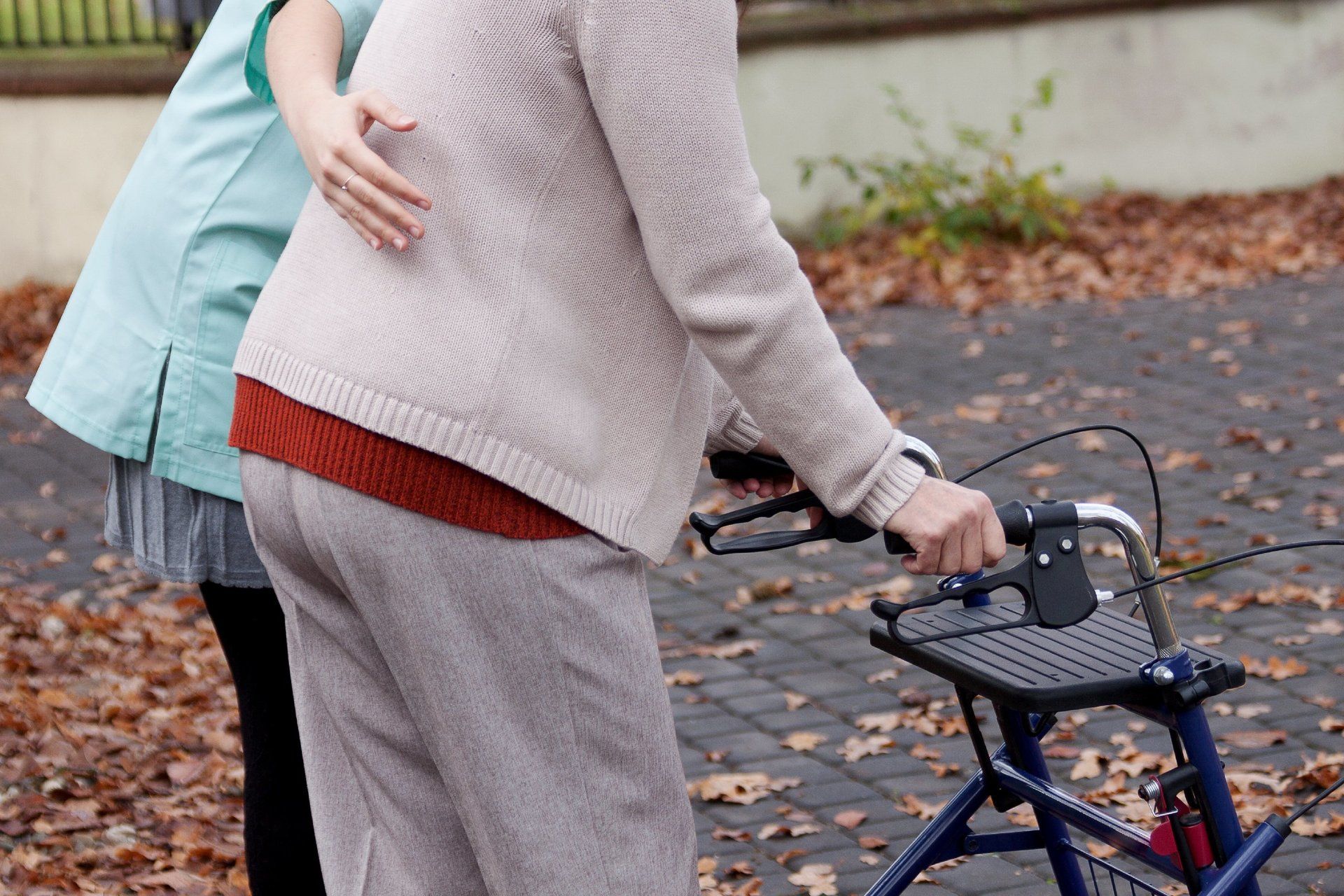
Nursing home abuse occurs when a resident is harmed by intentional misconduct, mistreatment, physical force, threats, neglect, or other wrongful conduct in a care facility. Abuse may be physical, emotional, sexual, financial, or a combination of multiple forms of mistreatment.
Examples of nursing home abuse may include:
- hitting, pushing, grabbing, or unnecessary force;
- rough handling during transfers or care;
- threats, intimidation, or humiliation;
- isolation or retaliation;
- sexual abuse;
- misuse of restraints;
- withholding food, water, medication, or assistance;
- theft or financial exploitation;
- and failure to protect a resident from known dangers.
Abuse is not always obvious. Residents may be afraid to report what happened, may have dementia, may be unable to communicate clearly, or may not understand that they are being mistreated. Families should pay close attention to injuries, behavior changes, fearfulness, sudden decline, unexplained bruising, and inconsistent explanations from the facility.
What Is Elder Neglect?
Elder neglect occurs when a facility or caregiver fails to provide the care, supervision, assistance, or medical attention a resident needs. Neglect may be just as dangerous as intentional abuse.
Elder neglect cases may involve:
- failure to prevent falls;
- failure to assist with walking, toileting, bathing, or transfers;
- failure to turn or reposition a bedbound resident;
- failure to provide wound care;
- failure to monitor food and fluid intake;
- failure to respond to infection;
- failure to administer medication properly;
- failure to follow a care plan;
- failure to supervise a resident with dementia;
- failure to prevent wandering or elopement;
- failure to recognize a change in condition;
- failure to call a doctor or transfer to a hospital;
- and failure to provide enough trained staff.
Neglect often develops over time. A resident may lose weight, become dehydrated, develop pressure sores, fall repeatedly, suffer infections, or decline physically because the facility failed to provide basic care.
Common Warning Signs of Nursing Home Abuse or Neglect
Families may not immediately know that abuse or neglect is occurring. Facilities may provide vague explanations, minimize injuries, or claim that serious harm was unavoidable. Warning signs should be taken seriously.
Possible warning signs include:
- unexplained bruises, cuts, burns, or fractures;
- repeated falls;
- sudden fear, anxiety, depression, or withdrawal;
- pressure sores or worsening wounds;
- poor hygiene;
- dirty clothing or bedding;
- strong odors of urine or feces;
- rapid weight loss;
- dehydration;
- missed medications;
- infections;
- frequent hospitalizations;
- unexplained changes in behavior;
- staff refusing to answer questions;
- inconsistent explanations for injuries;
- delayed notification of family;
- call lights not being answered;
- residents left unattended;
- wandering or elopement;
- and sudden or unexplained death.
One warning sign does not always prove neglect, but patterns matter. Repeated falls, worsening wounds, weight loss, dehydration, and poor communication may indicate a larger facility problem.
Falls and Fractures in Nursing Homes
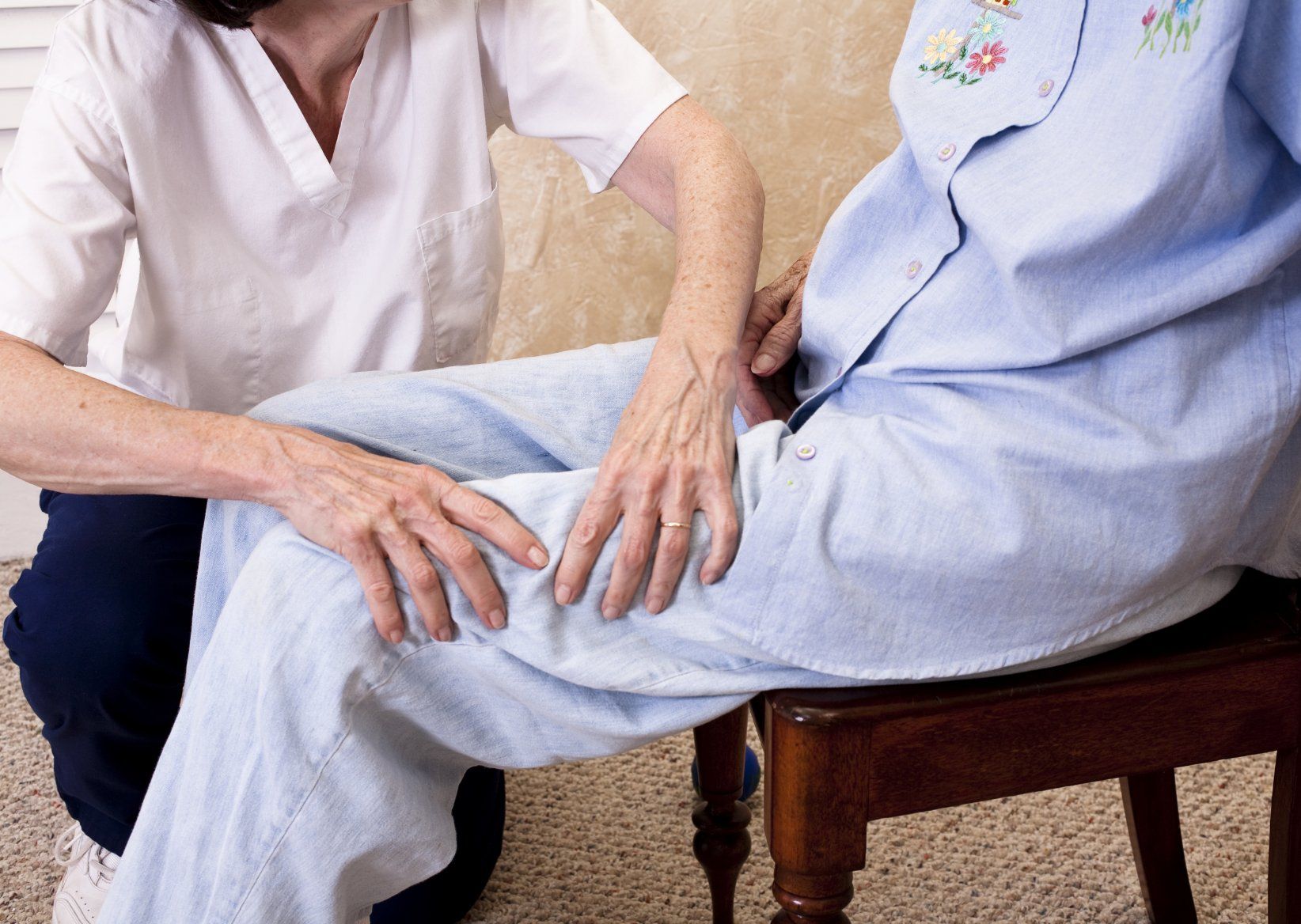
Falls are one of the most common issues in nursing home abuse and elder neglect cases. Many residents are known fall risks because of age, weakness, medication, dementia, prior falls, poor balance, mobility problems, or the need for assistance.
Facilities may be responsible when they fail to:
- assess fall risk;
- create an appropriate fall prevention plan;
- provide supervision;
- assist with transfers;
- respond to call lights;
- use appropriate mobility devices;
- provide safe footwear;
- monitor medication side effects;
- keep walkways clear;
- use bed alarms or chair alarms when appropriate;
- and update the care plan after a fall.
A fall in a nursing home can cause hip fractures, pelvic fractures, wrist fractures, shoulder injuries, head injuries, brain bleeds, hospitalization, surgery, loss of mobility, and death. A facility should not simply dismiss a serious fall as an unavoidable accident without examining whether proper precautions were in place.
Pressure Sores, Bedsores, and Wound Neglect
Pressure sores, also called bedsores or pressure ulcers, can be a serious sign of neglect. These wounds often develop when a resident is left in one position for too long, is not turned or repositioned, has poor nutrition, is dehydrated, or does not receive proper skin care.
Pressure sore cases may involve:
- failure to assess skin condition;
- failure to reposition the resident;
- failure to provide pressure-relieving devices;
- failure to keep the resident clean and dry;
- failure to monitor nutrition and hydration;
- failure to treat wounds promptly;
- failure to notify a physician;
- failure to transfer to a higher level of care;
- and failure to prevent infection.
Severe pressure sores can become infected, expose deeper tissue or bone, cause sepsis, require surgery, and contribute to death. These cases require careful review of wound records, turning schedules, photographs, nursing notes, care plans, nutrition records, and hospital records.
Dehydration, Malnutrition, and Weight Loss
Nursing homes and care facilities must monitor whether residents are eating, drinking, and maintaining appropriate nutrition. Elderly residents may need assistance with meals, modified diets, swallowing precautions, supplements, hydration monitoring, or medical follow-up.
Neglect may involve:
- failure to assist with meals;
- failure to monitor food and fluid intake;
- failure to address weight loss;
- failure to provide ordered supplements;
- failure to follow diet orders;
- failure to identify swallowing problems;
- failure to notify a physician or family;
- failure to monitor dehydration;
- and failure to respond to weakness or decline.
Unexplained weight loss, dehydration, low albumin, weakness, confusion, falls, pressure sores, and repeated hospitalizations may be signs that the facility failed to provide adequate nutrition and hydration.

Choking, Aspiration, and Swallowing Risks
Some residents have known swallowing problems, dementia, stroke history, neurological conditions, or dietary restrictions that place them at risk for choking or aspiration. Facilities must follow care plans, diet orders, supervision requirements, and swallowing precautions.
Choking and aspiration cases may involve:
- failure to provide the correct diet texture;
- failure to thicken liquids when ordered;
- failure to supervise meals;
- failure to assist with feeding;
- failure to recognize aspiration risk;
- failure to train staff on swallowing precautions;
- failure to respond to choking;
- and failure to transfer the resident for emergency care.
These cases can result in respiratory distress, aspiration pneumonia, brain injury, or death.
Wandering and Elopement
Residents with dementia, Alzheimer’s disease, confusion, or cognitive impairment may be at risk for wandering or elopement. Facilities must assess the risk and provide appropriate supervision and security.
Elopement cases may involve:
- failure to assess wandering risk;
- failure to monitor residents with dementia;
- unsecured doors or gates;
- broken alarms;
- inadequate staffing;
- failure to respond to missing resident alerts;
- and failure to follow facility policy.
When a vulnerable resident leaves a facility unsupervised, they may suffer falls, exposure, traffic injuries, dehydration, assault, or death.
Medication Errors in Nursing Homes
Medication errors can cause serious harm, especially for elderly residents who may take multiple medications and have complex medical conditions.
Medication error cases may involve:
- wrong medication;
- wrong dose;
- missed medication;
- medication given to the wrong resident;
- failure to monitor medication side effects;
- failure to follow physician orders;
- failure to monitor blood sugar or blood pressure;
- dangerous drug interactions;
- failure to provide antibiotics or seizure medication;
- and improper use of sedating medications.
Medication records, physician orders, pharmacy records, nursing notes, and hospital records may be critical to proving what happened.

Understaffing and Facility Neglect
Many elder neglect cases involve understaffing. When facilities do not have enough trained staff, residents may be left unattended, call lights may go unanswered, medications may be missed, wounds may worsen, meals may not be assisted, and falls may become more likely.
Understaffing may contribute to:
- repeated falls;
- pressure sores;
- poor hygiene;
- missed meals;
- dehydration;
- medication errors;
- delayed response to emergencies;
- inadequate supervision;
- resident-on-resident assaults;
- and failure to recognize changes in condition.
The investigation may need to examine staffing records, schedules, resident acuity, care plans, call-light response times, incident reports, prior complaints, licensing history, and corporate policies.
Who Can Be Responsible?
Potentially responsible parties in a nursing home abuse or elder neglect case may include:
- the nursing home;
- skilled nursing facility;
- assisted living facility;
- memory care facility;
- residential care facility for the elderly;
- corporate owner;
- management company;
- administrator;
- nurses;
- caregivers;
- attending physicians;
- medical directors;
- staffing companies;
- contractors;
- and other responsible individuals or entities.
In some cases, the facility may blame the resident’s age, medical condition, or frailty. While residents may have serious health problems, facilities are paid to provide care based on those known risks. The key question is whether the facility recognized the risks, created an appropriate care plan, followed the plan, and responded reasonably when the resident’s condition changed.
Damages Available in Nursing Home Abuse and Neglect Cases
The damages available depend on the facts, injuries, responsible parties, and applicable law.
Recoverable damages may include:
Medical Expenses
This may include ambulance care, hospitalization, surgery, wound treatment, medication, rehabilitation, therapy, and other medical care caused by the neglect or abuse.
Future Medical Care
Serious injuries may require future treatment, wound care, therapy, mobility support, assistive devices, or long-term medical care.
Pain and Suffering
Residents may suffer physical pain, emotional distress, fear, humiliation, anxiety, loss of dignity, and loss of enjoyment of life.
Disfigurement and Disability
Pressure sores, fractures, infections, amputations, scarring, brain injuries, and mobility loss may cause lasting harm.
Wrongful Death Damages
When abuse or neglect causes death, surviving family members may seek damages for the loss of love, companionship, comfort, care, support, guidance, and other losses recognized under California law.
Survival Damages
In some cases, the estate or successor in interest may pursue claims for harm suffered before death.
Punitive Damages
Punitive damages may be available in some cases involving especially reckless, oppressive, fraudulent, or malicious conduct, depending on the evidence and applicable law.
Nursing home cases should be evaluated carefully because different legal theories, statutes, damages rules, and procedural requirements may apply depending on the facility, the conduct, and the harm caused.

Evidence That Matters in Nursing Home Abuse and Neglect Cases
Nursing home abuse and neglect cases often depend on records controlled by the facility. Early preservation is important.
Important evidence may include:
- medical records;
- nursing notes;
- care plans;
- fall-risk assessments;
- incident reports;
- wound care records;
- skin assessments;
- photographs of injuries or wounds;
- medication administration records;
- nutrition and hydration records;
- weight records;
- call-light logs;
- staffing records;
- caregiver assignment sheets;
- hospital transfer records;
- ambulance records;
- emergency room records;
- physician orders;
- facility policies and procedures;
- licensing and complaint history;
- witness statements;
- family communications;
- and surveillance video when available.
Families can also provide important evidence, including photographs, text messages, notes from conversations, records of complaints, changes in behavior, and observations about the resident’s condition before and after the injury.
Why Hire The Mason Firm?

Nursing home abuse and elder neglect cases are often aggressively defended. Facilities may argue that the resident was already frail, that the injury was unavoidable, that staff did nothing wrong, or that the resident’s medical condition caused the decline. A strong case requires careful review of the records, timelines, care plans, staffing, witness accounts, facility history, and medical evidence.
The Mason Firm handles serious nursing home abuse, elder neglect, assisted living negligence, memory care negligence, wrongful death, and catastrophic injury cases throughout California.
The Mason Firm can help by:
- investigating what happened;
- obtaining and reviewing facility records;
- preparing a detailed timeline;
- identifying responsible facilities, owners, and caregivers;
- preserving photographs, records, and witness evidence;
- reviewing care plans and risk assessments;
- analyzing staffing and supervision issues;
- evaluating falls, wounds, infections, dehydration, malnutrition, and medication errors;
- working with qualified experts when needed;
- documenting the full impact of the injury or death;
- negotiating with facilities and insurance companies;
- filing a lawsuit when necessary;
- and preparing the case for trial.
The Mason Firm is led by San Diego trial attorney Brian R. Mason and represents people and families in serious injury, wrongful death, medical malpractice, civil rights, and elder neglect cases throughout California.
If you believe a loved one was seriously injured or died because of nursing home abuse or neglect, contact The Mason Firm for a free case review.
Frequently Asked Questions About Nursing Home Abuse and Elder Neglect Cases
Below are answers to common questions about Nursing Home Abuse and Elder Neglect cases in San Diego. Disclaimer: This information is general and is not legal advice.
What is nursing home abuse?
Nursing home abuse involves physical, emotional, sexual, financial, or other mistreatment of a resident. It may include physical force, intimidation, threats, humiliation, exploitation, or failure to protect a resident from harm.
What is elder neglect?
Elder neglect occurs when a facility or caregiver fails to provide necessary care, supervision, assistance, medical attention, food, water, hygiene, medication, or protection from known risks.
What are common signs of nursing home neglect?
Common warning signs include falls, fractures, pressure sores, poor hygiene, dehydration, malnutrition, weight loss, infections, missed medication, unexplained bruising, repeated hospitalizations, and sudden changes in behavior.
Are pressure sores a sign of neglect?
They can be. Not every pressure sore proves neglect, but serious or worsening pressure sores may indicate failure to reposition the resident, monitor skin condition, provide nutrition and hydration, or treat wounds properly.
Can a nursing home be responsible for a fall?
Yes, depending on the facts. A facility may be responsible if it failed to assess fall risk, provide supervision, follow a care plan, respond to call lights, assist with transfers, or update precautions after prior falls.
What if the facility says my loved one was already frail?
Many nursing home residents are frail or medically vulnerable. Facilities are required to provide care based on the resident’s known risks. Frailty does not excuse neglect.
Can a family sue if nursing home neglect causes death?
Yes, qualifying family members may bring a wrongful death claim when neglect or abuse causes a resident’s death. The estate or successor in interest may also have survival claims in some cases.
What evidence matters in a nursing home neglect case?
Important evidence may include medical records, care plans, nursing notes, incident reports, wound records, photographs, staffing records, medication records, hospital records, witness statements, and family communications.
How long do I have to file a nursing home abuse or neglect case?
Deadlines depend on the facts, defendants, injuries, and legal theories. Some cases may involve medical negligence, elder abuse, wrongful death, or other claims. Legal review should happen quickly.
How much does it cost to hire The Mason Firm?
The Mason Firm handles nursing home abuse, elder neglect, and serious injury cases on a contingency-fee basis. Clients do not pay attorney’s fees unless there is a recovery.
Contact Us
Reach out now to get your free case review!
