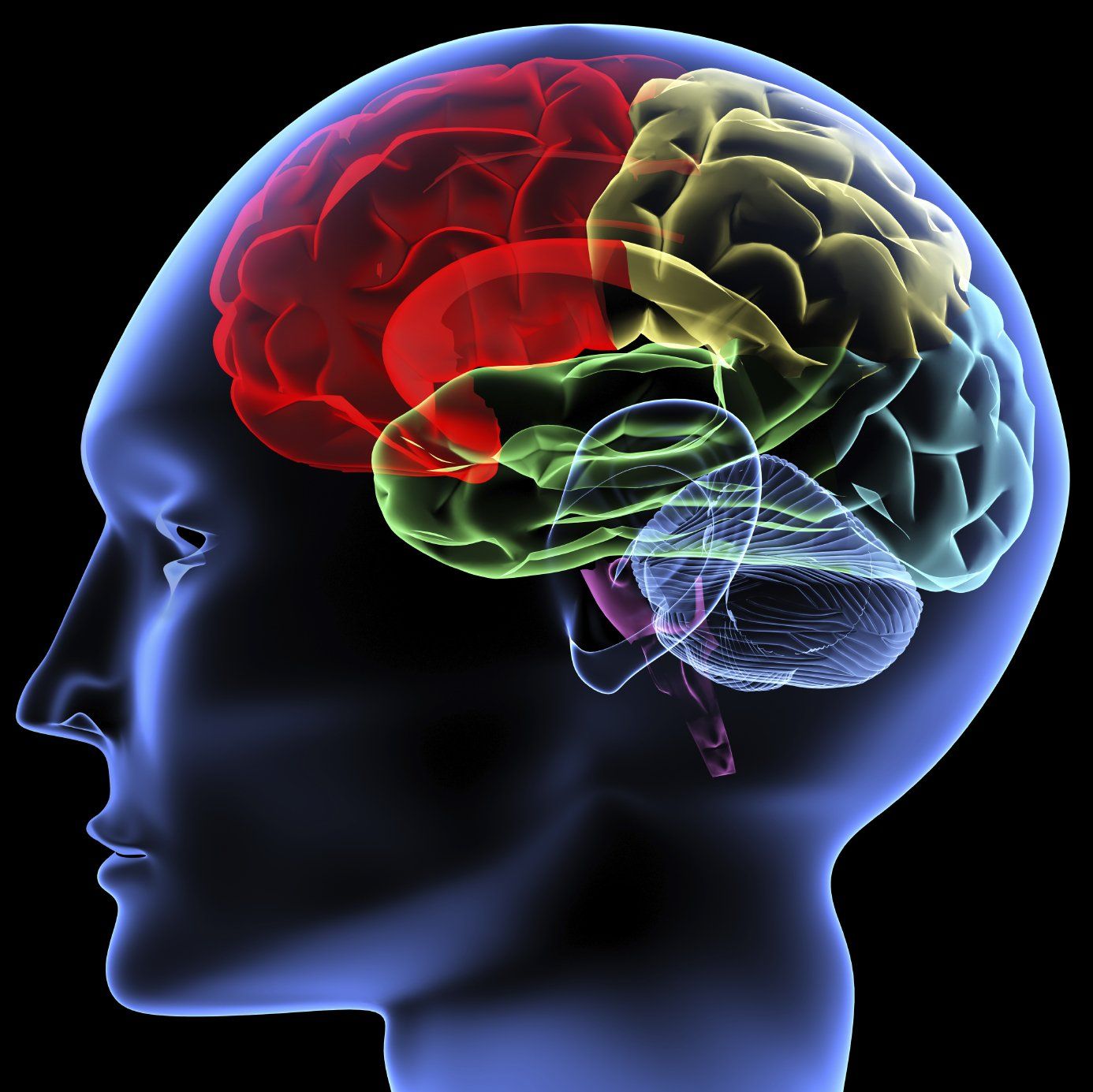
San Diego Traumatic Brain Injury Lawyers

Traumatic brain injuries can change a person’s life in ways that are difficult for others to see. Some brain injuries are obvious from the beginning. Others are called “mild” because of the initial medical classification, but the symptoms can still be serious, persistent, and life-changing. A person may look normal on the outside while struggling with headaches, memory problems, concentration issues, dizziness, vision changes, fatigue, mood changes, sleep problems, or difficulty returning to work, school, family responsibilities, and daily life.


The Mason Firm represents people and families in traumatic brain injury cases throughout San Diego and California. The firm handles serious TBI cases involving car accidents, truck accidents, falls, pedestrian accidents, bicycle accidents, motorcycle crashes, sports and recreation injuries, dangerous property, medical negligence, civil rights violations, and other traumatic events.


Led by trial attorney Brian R. Mason, The Mason Firm prepares serious injury cases for litigation and trial from the beginning.

If you or a loved one suffered a traumatic brain injury, contact The Mason Firm for a free case review.


Spotlight: Recent Brain Injury Case Results

$1.2 Million Dollar Jury Verdict

Jury Verdict of $1.2 million dollars against a school district involving a mild traumatic brain injury caused by a fall at school. The Defense offered $200,000 prior to trial.

$1.5 Million Dollar Settlement

Settlement of $1.5 million dollars in a case involving a mild traumatic brain injury where the client was injured during a baseball game.

$752,000 Jury Verdict

Jury Verdict of $752,000.00 in a disputed mild traumatic brain injury case after a minor impact vehicle collision. The Defense offered $65,000 prior to trial.

Past results do not guarantee future outcomes. Every case is different and depends on its own facts, evidence, injuries, law, insurance coverage, and available defendants.

View More Recent Results

Traumatic Brain Injury Cases We Handle

The Mason Firm represents clients in brain injury cases involving:

  • concussions;
  • mild traumatic brain injuries;
  • moderate traumatic brain injuries;
  • severe traumatic brain injuries;
  • brain bleeds;
  • skull fractures;
  • diffuse axonal injuries;
  • loss of consciousness;
  • post-concussion syndrome;
  • vestibular injuries;
  • vision-related symptoms;
  • cognitive problems;
  • memory loss;
  • headaches;
  • dizziness;
  • balance problems;
  • personality changes;
  • mood changes;
  • sleep disruption;
  • and permanent neurological injury.


The firm handles TBI cases arising from many different types of incidents, including motor vehicle crashes, falls, unsafe property conditions, sports and recreation incidents, assaults, pedestrian crashes, bicycle crashes, motorcycle crashes, trucking accidents, and incidents involving public entities.


What is a Traumatic Brain Injury?

A brain injury is an injury to the brain caused by trauma, neurotoxins, vascular disorder, or anoxia. Traumatic injuries to the brain are divided into two categories: open head injuries and closed head injuries. The most frequent type of traumatically acquired brain injury is the closed head injury. 

A closed head injury is defined as an injury to the brain without penetration or breech of the skull. Studies show that trauma may cause physical changes to the brain without penetration of, or damage to, the skull.  A closed head injury occurs when the head is subjected to rapid acceleration or deceleration, such as when a car rapidly decelerates after striking an object, or rapidly accelerates after being struck by another vehicle. Three different forces act to cause injury to the brain during rapid acceleration or deceleration. Those forces are: (1) Impact with the skull; (2) Cavitation; (3) Rotational acceleration.  Each of these forces causes a different type of injury. 

Injuries to the brain are divided into two types, depending on the event that leads to the damage: primary damage and secondary damage. Primary damage occurs as a result of physical forces applied to the brain at the moment of trauma, and includes contusion, damage to blood vessels, and axonal shearing, in which the axons of neurons are stretched and torn. 

Secondary damage occurs in the hours, days, and weeks following the initial injury, and results from processes initiated by the primary damage. There are many processes that result in secondary damage, including increased pressure within the skull, which reduces the flow of blood to the brain, and chemical injury caused by dying neurons. 

The Mild Traumatic Brain Injury Committee of the Interdisciplinary Special Interest Group of the American Congress of Rehabilitation Medicine adopted the following definition of mild brain injury:

" A patient with mild traumatic brain injury is a person who has traumatically induced physiological disruption of brain function, as manifested by at least one of the following: 1. Any period of loss of consciousness; 2. Any loss of memory for events immediately before or after the accident; 3. Any alteration in mental state the time of the accident (e.g., feeling dazed, disoriented, or confused); and 4. Focal neurologic deficit(s) that may or may not be transient; but where the severity of the injury does not exceed the following: Loss of consciousness of approximately 30 mu\minutes or less; After 30 minutes, an initial Glasgow Coma Scale (GCS) of 13-15; and Posttraumatic amnesia (PTA) not greater than 24 hours."

It's important to remember that a traumatic brain injury is not a single event; it is a process that occurs over a long period of time and continues to progress. Even if your accident was months ago and you have not sought medical treatment, it is still worthwhile to call our firm to find out if we can help. Many brain injury patients go undiagnosed for months or years before they finally get the help they need.

Brain Injuries Can Occur Without Even Striking Your Head

Cavitation is the formation of microscopic bubbles within brain tissue as it is pulled away from the skull when the head suddenly stops or accelerates. Cavitation occurs when an object moves rapidly through a liquid, such as when the brain moves through cerebral spinal fluid. The formation and collapse of these bubbles causes disruption of brain tissue. Cavitation injuries occur on the opposite side of the brain from the point of impact. They are sometimes referred to as contrecoup 


The brain is composed of billions of nerve cells called neurons. A neuron is a specialized cell which conducts electrochemical impulses. A neuron consists of a cell body and cell extensions called processes. There are two types of processes: long single processes known as axons and short, branching processes known as dendrites. An axon can be up to three feet in length. When the head stops suddenly, the brain rotates on the brain stem, where the stem exits the skull in a forward and downward motion. The layers of the brain farthest from the brain stem move faster and farther than the layers which are closest. As the brain moves, the layers stretch and pull at different rates.


Diffuse axonal injury occurs when the layers of the brain move at different rates, causing the axons to be stretched, torn, and twisted. Nerve impulses are transmitted from one nerve cell to another by electrochemical transmissions across synapses at the end of the axons. If the myelin is sufficiently damaged, the nerve impulse is not transmitted to the adjacent neuron. This causes a loss of brain function. It is important to note that when the body of a neuron is sufficiently damaged, the cell will die. Unlike many types of cells within the body, neurons do not regenerate. Brain damage resulting from the destruction of large numbers of neurons is permanent. It is now thought that most of the loss of brain function following acceleration or deceleration trauma is the result of diffuse axonal injury.

Some Recent Traumatic Brain Injury Statistics

2.8 million


TBI related emergency department visits, hospitalizations and death in the US in 2013 (CDC)

Trauma


Trauma, such as a car crash or slip and fall, are the most common causes of brain injuries. 

Up to 90,000


National Institute of Health estimates that each year in the U.S. up to 90,000 brain injury survivors are unable to return to a normal life bcause of a brain injury

15%


15% of those who suffer from mild traumatic brain injuries will have permanent injuries for the rest of their life (National Institute of Health)

Symptoms of a Traumatic Brain Injury

Symptoms of a traumatic brain injury may appear immediately, or they may become more noticeable over time. Some people do not fully understand the extent of their symptoms until they try to return to work, school, exercise, driving, or normal daily responsibilities.


Common TBI symptoms may include:

  • headaches;
  • dizziness;
  • nausea;
  • balance problems;
  • sensitivity to light;
  • sensitivity to noise;
  • blurred vision;
  • ringing in the ears;
  • fatigue;
  • sleep problems;
  • memory problems;
  • difficulty concentrating;
  • slowed thinking;
  • word-finding problems;
  • irritability;
  • anxiety;
  • depression;
  • mood swings;
  • personality changes;
  • confusion;
  • and difficulty handling normal tasks.


Family members, friends, coworkers, and teachers may notice changes before the injured person fully recognizes them. In many TBI cases, witness observations become important evidence because brain injuries often affect daily functioning in ways that do not appear in a single medical visit.


Mild Traumatic Brain Injuries Are Often Misunderstood

Many traumatic brain injury cases involve mild TBI. Insurance companies and defendants often focus on the word “mild” and argue that the injury is not serious. That can be misleading.

“Mild” generally refers to the initial classification of the brain injury. It does not mean the symptoms are fake, minor, or short-lived.


A person with a mild TBI may experience:

  • persistent headaches;
  • memory problems;
  • difficulty focusing;
  • dizziness;
  • fatigue;
  • irritability;
  • emotional changes;
  • sleep disruption;
  • light sensitivity;
  • noise sensitivity;
  • problems with screens or reading;
  • problems returning to work;
  • problems with multitasking;
  • and changes in daily functioning.


These cases require careful documentation because the injury may not be visible. Medical records, symptom timelines, family observations, work records, school records, expert opinions, and the client’s own daily experience can all matter.


Common Causes of Traumatic Brain Injuries

Traumatic brain injuries can happen in many different settings.


Common causes include:

Car Accidents
A collision can cause the head to strike an object, or it can cause rapid movement of the brain inside the skull. Even without a direct blow to the head, a crash may cause a brain injury.


Truck Accidents
Commercial truck crashes can involve significant force and catastrophic injuries, including traumatic brain injuries.


Motorcycle Accidents
Motorcyclists are especially vulnerable to head trauma, even when wearing a helmet.


Bicycle Accidents
Bicyclists can suffer brain injuries when struck by vehicles, forced off the road, or thrown from a bicycle.


Pedestrian Accidents
Pedestrians may suffer severe head trauma when struck by a vehicle, especially in high-speed collisions.


Falls
Falls can cause serious brain injuries, including falls on unsafe property, falls from heights, stairway falls, nursing home falls, and recreational falls.


Sports and Recreation Injuries
Brain injuries can occur during sports, recreation, amusement activities, boating, skateboarding, golf cart incidents, and other activities.


Dangerous Property Conditions
Unsafe stairs, poor lighting, slippery surfaces, broken flooring, missing railings, and other dangerous conditions can cause falls and head injuries.


Assaults and Civil Rights Cases
TBI cases may also arise from assaults, excessive force, jail incidents, and other traumatic events involving violence or restraint.


Brain Injuries After Falls

Falls are a common cause of traumatic brain injury. A fall may involve a direct blow to the head, a sudden impact, loss of consciousness, confusion, dizziness, or symptoms that develop after the incident.


Fall-related TBI cases may involve:

  • unsafe stairs;
  • slippery floors;
  • trip hazards;
  • missing handrails;
  • poor lighting;
  • uneven walkways;
  • dangerous public property;
  • nursing home falls;
  • falls from beds or chairs;
  • recreational falls;
  • and falls from vehicles or equipment.


In fall cases, it is important to investigate both the cause of the fall and the medical effects of the head injury. Photographs, incident reports, witness statements, video footage, maintenance records, medical records, and expert review may all be important.


TBI Cases Involving Children

Brain injuries involving children require special care. A child may not be able to fully explain symptoms. Problems may become more obvious over time as school demands increase, behavior changes, attention issues appear, or developmental concerns emerge.

Child TBI cases may involve:

  • car accidents;
  • pedestrian accidents;
  • bicycle accidents;
  • sports injuries;
  • falls;
  • unsafe playgrounds;
  • school incidents;
  • medical negligence;
  • and other traumatic events.

In cases involving children, future damages must be evaluated carefully. The injury may affect education, development, therapy needs, future work, independence, and long-term quality of life.


Evidence That Matters in Traumatic Brain Injury Cases

TBI cases are often contested. Insurance companies may argue that symptoms are unrelated, exaggerated, caused by stress, caused by pre-existing conditions, or not supported by imaging. Strong evidence is critical.


Important evidence may include:

  • police reports;
  • incident reports;
  • photographs;
  • video footage;
  • witness statements;
  • emergency medical records;
  • ambulance records;
  • emergency room records;
  • CT scans;
  • MRI studies;
  • neurology records;
  • neuropsychological testing;
  • vestibular therapy records;
  • vision therapy records;
  • physical therapy records;
  • primary care records;
  • medication records;
  • work records;
  • school records;
  • family observations;
  • expert opinions;
  • and documentation of symptoms over time.


The timeline matters. When symptoms began, how they developed, what treatment was received, and how the injury affected daily life can all be important.


Why Medical Imaging May Not Tell the Whole Story

Many people with traumatic brain injuries have normal CT scans or MRIs. That does not automatically mean there is no brain injury.


Standard imaging may be used to evaluate bleeding, fractures, swelling, or other acute findings. But symptoms such as headaches, memory problems, dizziness, concentration issues, sleep disruption, and cognitive changes may exist even when imaging is read as normal.


That is why TBI cases often require a broader review of the evidence. Medical records, neurological exams, neuropsychological testing, therapy records, symptom progression, family observations, and the mechanism of injury can all help explain what happened.

Post-Concussion Syndrome

Some people recover from a concussion within days or weeks. Others continue to experience symptoms for months or longer. Persistent symptoms after a concussion are often referred to as post-concussion syndrome.


Symptoms may include:

  • headaches;
  • dizziness;
  • memory problems;
  • concentration problems;
  • fatigue;
  • sleep disturbance;
  • irritability;
  • anxiety;
  • depression;
  • light sensitivity;
  • noise sensitivity;
  • visual symptoms;
  • and difficulty returning to normal activities.


Post-concussion syndrome can interfere with work, school, parenting, exercise, social life, and daily independence. These symptoms should be documented carefully and treated by appropriate medical providers.


Expert Witnesses in TBI Cases

Traumatic brain injury cases often require expert witnesses because defendants may dispute the diagnosis, causation, severity, or long-term impact.


Experts may include:

  • neurologists;
  • neurosurgeons;
  • neuropsychologists;
  • neuroradiologists;
  • rehabilitation physicians;
  • vestibular therapists;
  • vision specialists;
  • life-care planners;
  • vocational rehabilitation experts;
  • economists;
  • accident reconstruction experts;
  • biomechanical experts;
  • and human factors experts.


The right experts can help explain how the injury occurred, how it affected the brain, what symptoms are related, what treatment is needed, and how the injury will affect the person in the future.


Insurance Companies Often Minimize Brain Injury Claims

Traumatic brain injury cases are frequently disputed. Insurance companies and defendants may argue that:

  • the injury was only “mild”;
  • the CT scan or MRI was normal;
  • the person did not lose consciousness;
  • symptoms were not reported immediately;
  • symptoms are from stress or anxiety;
  • the person had pre-existing conditions;
  • the person looks normal;
  • the person returned to work;
  • the medical treatment was excessive;
  • or the symptoms are exaggerated.


These defenses can be misleading. A person can suffer a real brain injury even if the symptoms are not visible to others. The case must be built with medical evidence, witness testimony, expert review, and detailed documentation of how the injury changed the person’s life.


What to Do After a Head Injury

If you suffered a head injury or believe you may have a traumatic brain injury, consider taking the following steps:


  1. Get medical care promptly.
    Head injuries should be evaluated by medical professionals, especially if symptoms include loss of consciousness, confusion, vomiting, worsening headaches, weakness, vision changes, seizures, or neurological symptoms.
  2. Report all symptoms.
    Tell your medical providers about headaches, dizziness, memory problems, concentration issues, sleep problems, mood changes, light sensitivity, noise sensitivity, nausea, vision issues, and any changes from baseline.
  3. Follow up with specialists if symptoms persist.
    Persistent symptoms may require evaluation by a neurologist, neuropsychologist, vestibular therapist, vision specialist, or other provider.
  4. Document symptoms over time.
    Keep track of headaches, sleep problems, memory issues, dizziness, missed work, limitations, and how the injury affects daily life.
  5. Preserve evidence.
    Save photographs, videos, incident reports, witness information, medical records, insurance letters, and any documents related to the incident.
  6. Avoid minimizing symptoms.
    Many people try to push through brain injury symptoms. Accurate reporting helps with both treatment and documentation.
  7. Do not rush settlement.
    The long-term effects of a brain injury may not be clear right away.
  8. Contact an attorney early.
    TBI cases often require early evidence preservation, expert review, and careful handling of insurance issues.


Why Hire The Mason Firm?


The Mason Firm represents people and families in traumatic brain injury, catastrophic injury, wrongful death, car accident, truck accident, dangerous property, medical malpractice, civil rights, and serious injury cases throughout California.


The firm can help by:

  • investigating how the injury happened;
  • identifying all responsible parties;
  • preserving evidence;
  • obtaining police reports and incident reports;
  • collecting medical records;
  • documenting symptoms over time;
  • working with appropriate experts;
  • evaluating future care needs;
  • analyzing insurance coverage;
  • preparing the case for litigation;
  • negotiating with insurance companies;
  • and taking cases toward trial when necessary.


The Mason Firm is led by San Diego trial attorney Brian R. Mason. The firm focuses on serious cases involving disputed liability, complex medical issues, permanent injury, insurance disputes, and significant damages.


Frequently Asked Questions About Traumatic Brain Injury Cases

Below are answers to common questions about Traumatic Brain Injury Cases in San Diego. Disclaimer: This information is general and is not legal advice.


  • What is a traumatic brain injury?

    A traumatic brain injury occurs when trauma disrupts the normal function of the brain. It may result from a blow to the head, a fall, a crash, rapid movement of the brain, or another forceful event.

  • Is a concussion a traumatic brain injury?

    Yes. A concussion is a type of traumatic brain injury. Some concussions resolve quickly, while others cause symptoms that persist for months or longer.

  • Can I have a brain injury if my CT scan or MRI was normal?

    Yes. Some traumatic brain injuries do not show up on standard imaging. Symptoms, medical exams, neuropsychological testing, therapy records, and witness observations may still support the diagnosis.

  • What are common symptoms of a mild traumatic brain injury?

    Symptoms may include headaches, dizziness, memory problems, concentration issues, fatigue, sleep problems, light sensitivity, noise sensitivity, irritability, mood changes, and difficulty returning to normal activities.

  • Why do insurance companies dispute TBI cases?

    Insurance companies often dispute brain injury cases because symptoms may be invisible, imaging may be normal, and the person may appear outwardly functional. Strong medical documentation and expert review are often important.

  • What evidence matters in a traumatic brain injury case?

    Important evidence may include medical records, imaging, witness statements, incident reports, photographs, videos, neuropsychological testing, therapy records, work records, school records, and expert opinions.

  • What damages can be recovered in a TBI case?

    Damages may include medical expenses, future care, lost income, reduced earning capacity, pain and suffering, emotional distress, loss of enjoyment of life, permanent impairment, and other losses recognized under California law.

  • What if I did not lose consciousness?

    A person can suffer a traumatic brain injury without losing consciousness. Loss of consciousness is one important fact, but it is not required in every TBI case.

  • How soon should I contact a lawyer after a head injury?

    As soon as possible. Evidence can disappear, memories can fade, and insurance companies may begin building defenses early.

  • How much does it cost to hire The Mason Firm?

    The Mason Firm handles traumatic brain injury and serious injury cases on a contingency-fee basis. Clients do not pay attorney’s fees unless there is a recovery.

Contact Us

Reach out now to get your free case review!

Contact Us